

Dive Deep into the Theology of Lent and Easter
As we prepare for the sacred seasons of Lent and Easter, there's no better time to reflect deeply on the theology of Christ's passion, death, resurrection, and ascension.
Including both accessible reads to in-depth studies, this collection will help you reflect on Christ's passion, death, and resurrection as you journey toward Easter.
Keep reading to learn more about these featured books, each with a brief description to help you choose the perfect companion for your Lenten and Easter reflections.

The Glory of the Ascension
This book explores the often-overlooked doctrine of Christ's ascension, emphasizing its significance for theology and Christian life. Ross Hastings connects the ascension to themes like atonement, intercession, and the glory of Christ, offering a rich evangelical perspective. Ideal for theology students, pastors, and Christians seeking depth, this work invites readers to rediscover the majesty of the ascended Christ and the implications for the church and individual faith.

The Wood Between the Worlds
Brian Zahnd presents a poetic theology of the cross, inviting readers to see the crucifixion as a multifaceted and transformative mystery. Drawing on art, literature, and culture, Zahnd reminds us that the meaning of the cross is multifaceted and should touch every aspect of our lives. This book is perfect for those seeking a creative and reflective approach to understanding the cross.

The Cross of Christ
A classic exploration of the centrality of the cross in Christian theology, John Stott brings Scripture into living dialogue with Christian theology and contemporary issues. What emerges is a pattern for Christian life and worship, hope and mission. This accessible book is a must-read for both new and seasoned believers who want to deepen their understanding of the work of Christ.

"He Descended to the Dead"
Matthew Emerson delves into the doctrine of Christ's descent to the dead, a topic often neglected in evangelical circles. Combining biblical, historical, and theological insights, this book highlights the descent's importance for understanding salvation and the Christian life. It’s an essential read for those curious about the mystery of Holy Saturday and its implications for our faith.

To the Cross
Christopher Wright takes readers on a journey from the Last Supper to the crucifixion, weaving Old Testament insights into the Gospel narratives. Adapted from sermons, this book is both theological and pastoral, making it great for personal study or reflection. This book is an accessible guide for those seeking to meditate on the events leading to the cross.
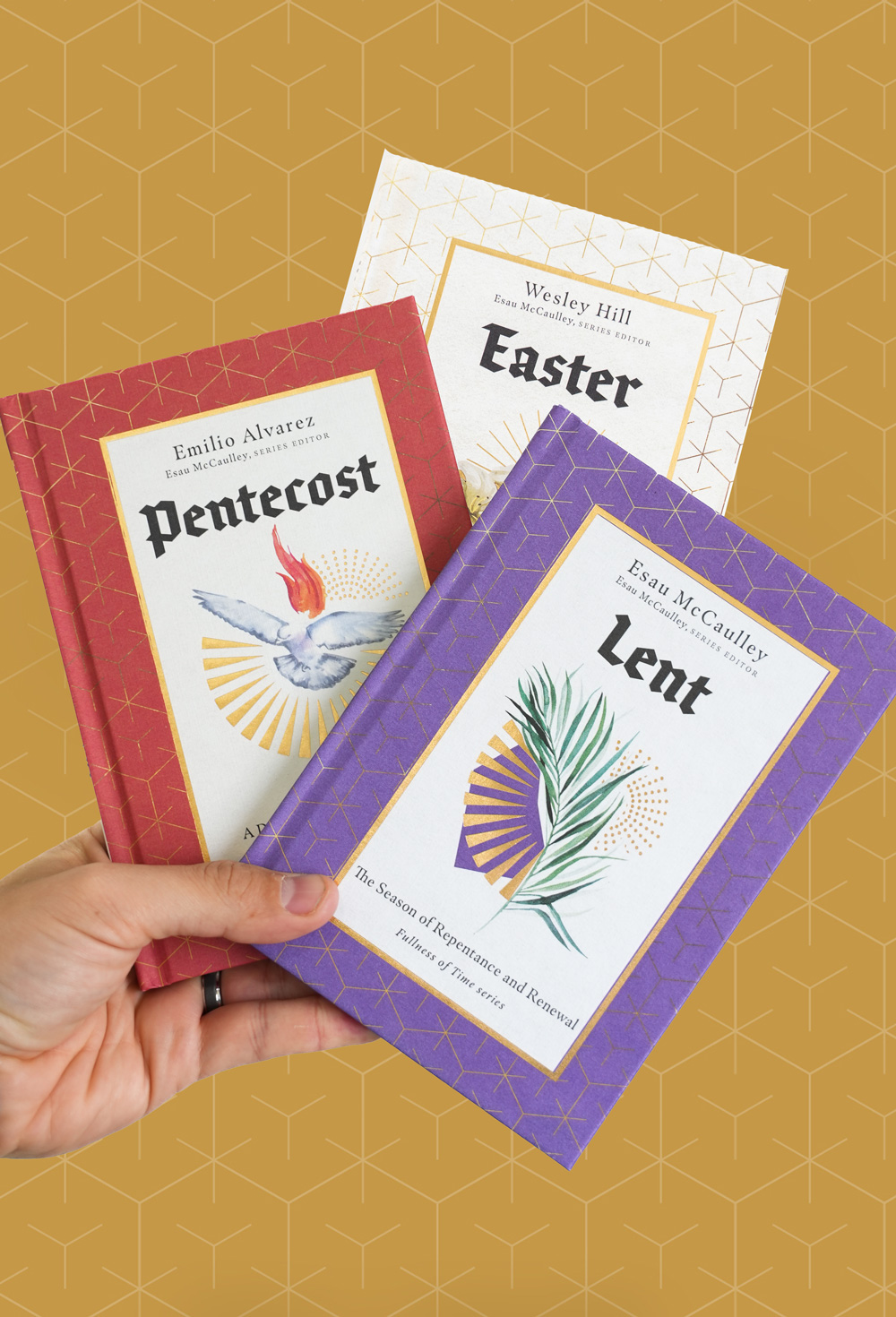
Lent, Easter, and Pentecost
These short books invite readers to engage with the riches of the church year, exploring the traditions, prayers, Scriptures, and rituals of the seasons of the church calendar. Covering the liturgical seasons of Lent, Easter, and Pentecost, these books are great for people who are new to observing the church calendar or who want to learn more about the rich history and theology of these seasons and why they are celebrated the way they are today.

Christ Crucified
Donald Macleod offers a robust theological exploration of the atonement, examining key concepts like substitution, reconciliation, and victory, showing how together they give a coherent picture of the salvation wrought by Jesus at Calvary. This book is a valuable resource for theology students, pastors, and anyone desiring a deeper understanding of the cross's cosmic significance.

The Resurrection of Jesus
Michael Licona provides a thorough historiographical approach to the resurrection, addressing its historicity and theological implications. This scholarly yet accessible work is ideal for those interested in apologetics, historical Jesus studies, or a rigorous defense of the resurrection's centrality to Christian faith.

Forsaken
Thomas McCall examines Jesus' cry of dereliction on the cross, offering a trinitarian perspective on this profound moment. By approaching the Son's cry to the Father as an event in the life of the Triune God, Forsaken seeks to recover the true poignancy of the orthodox perspective on the cross. This book is perfect for readers seeking to understand the theological depth of Christ's suffering.

The Cross from a Distance
Peter Bolt focuses on the atonement as presented in Mark's Gospel, explores why the cross is so prominent in the narrative, asks what contribution Mark's teaching can make to our understanding of the atonement, and shows how this teaching can inform, correct and enrich our own preaching of the gospel today. This book is ideal for those who want to deepen their understanding of the atonement through a biblical theology lens.


