

Christian Nationalism and Our Families: A Webinar Series
In recent years, Christian nationalism in the United States has become more and more prevalent, leading to tense discussions around faith, identity, and politics, and a cultural climate marked by division. It can be difficult to navigate these issues ourselves, let alone figuring out how to engage our own families, communities, and kids.
In this two-part webinar series, we invite trusted IVP authors to join us for a timely conversation, identifying what Christian nationalism is, the causes of its increased prevalence, and how it affects our communities, including the youngest among us.
Part One
Understanding Christian Nationalism in the United States
What exactly do we mean by "Christian nationalism," and why are we talking about it now? The first session of this webinar is a primer for understanding the broader scope of Christian nationalism: what it is, why it's gaining popularity, and why it's ultimately incompatible with Jesus' teachings. Miranda Zapor Cruz offers an introduction on Christian nationalism, defining some key terms and discussing its history and origins. Then, Jonathan P. Walton helps us to identify reasons for the rise of Christian nationalism and how different communities are currently responding. Following the presentations, Jonathan and Miranda answer audience questions.
Part Two
Addressing Christian Nationalism with Our Families and Communities
You're at a family dinner, and an argument about faith and politics breaks out in front of your five-year-old. Or a fellow parent complains about your local school district pushing a certain agenda. How do we respond to these situations with Christ-like love and truth? In our second session, Lacy Finn Borgo, Caleb Campbell, and Christina Edmondson engage in a a lively panel discussion touching on these questions and many more from the audience.
Please note that the beginning of the recording was cut off due to technical issues. The recording picks up midway through the panelists' answers to the first question: How do we help our kids take in primary sources without being overwhelmed? Its hard for me to do as a parent. How do we model for our kids how to treat those we disagree on tense or complicated topics like politics and Christian nationalism?
Guest Experts
Part One: Understanding Christian Nationalism in the United States
Jonathan P. Walton
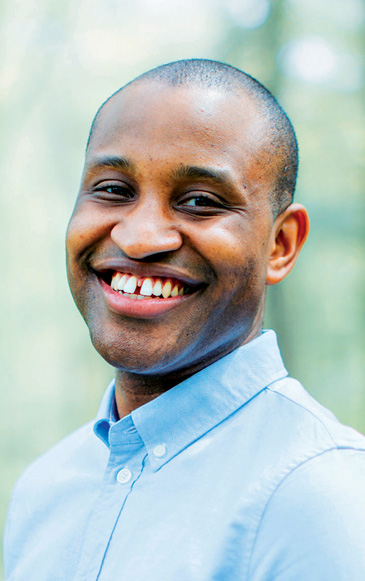
Jonathan Walton is a writer, speaker, and facilitator at the intersection of faith, justice and emotional health. He leads Beauty and Resistance Cohorts, writes The Crux on Substack and is a senior resource specialist for InterVarsity Christian Fellowship focusing on political discipleship and civic engagement. He has written five books, including Twelve Lies That Hold America Captive. He holds a degree in creative writing from Columbia University and an MA from the City University in New York in the Study of the Americas. He lives in Queens, New York, and attends New Life Fellowship.
Miranda Zapor Cruz
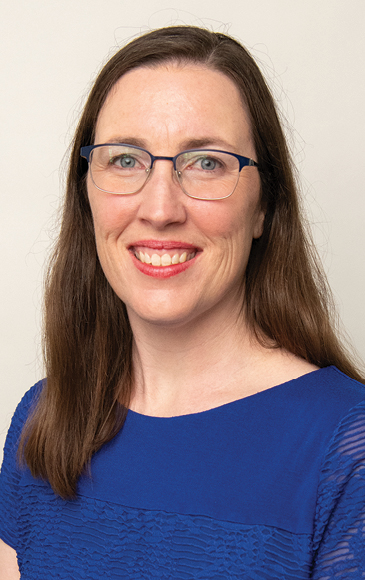
Miranda Zapor Cruz is professor of historical theology at Indiana Wesleyan University. She holds a PhD in religion, politics, and society from Baylor University's J. M. Dawson Institute of Church-State Studies and an MDiv from Princeton Theological Seminary.
Part Two: Addressing Christian Nationalism with Our Families and Communities
Christina Barland Edmondson
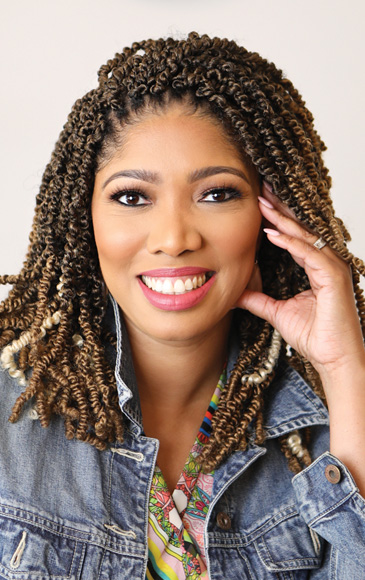
Christina Edmondson (MS, University of Rochester; PhD, Tennessee State University) is an organizational consultant, psychologist, and cohost of the Get in the Word with Truth’s Table and Truth’s Table podcasts. She is the coauthor of Faithful Antiracism.
Caleb Campbell
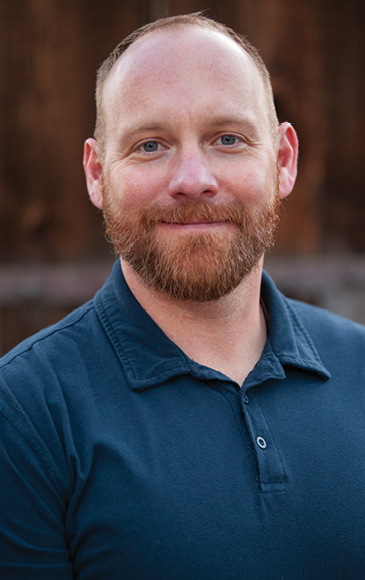
Caleb Campbell has been a pastor at Desert Springs Bible Church in Phoenix, Arizona, since 2006 and lead pastor since 2015. He received his master's from Phoenix Seminary and his doctorate from Fuller Theological Seminary. He also serves as a director for the Surge Network and the J29 Coalition. He lives in Phoenix with his wife and children.
Lacy Finn Borgo
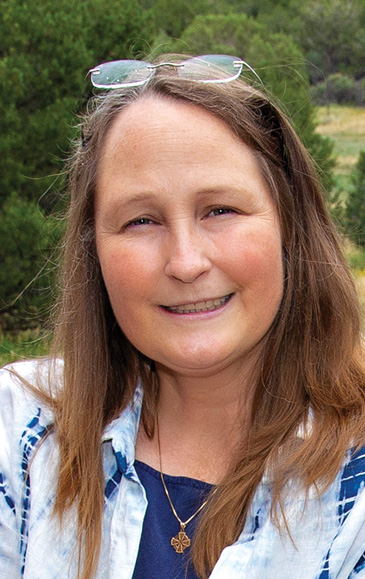
Lacy Finn Borgo teaches and provides spiritual direction with adults and children through Renovaré, Mercy Center Burlingame, and the Companioning Center. She especially loves meeting with children at Haven House, a transitional facility for families without homes. She holds a doctor of ministry degree in leadership and spiritual formation and a certificate in spiritual direction from Portland Seminary. Borgo is also the author of Spiritual Conversations with Children.


